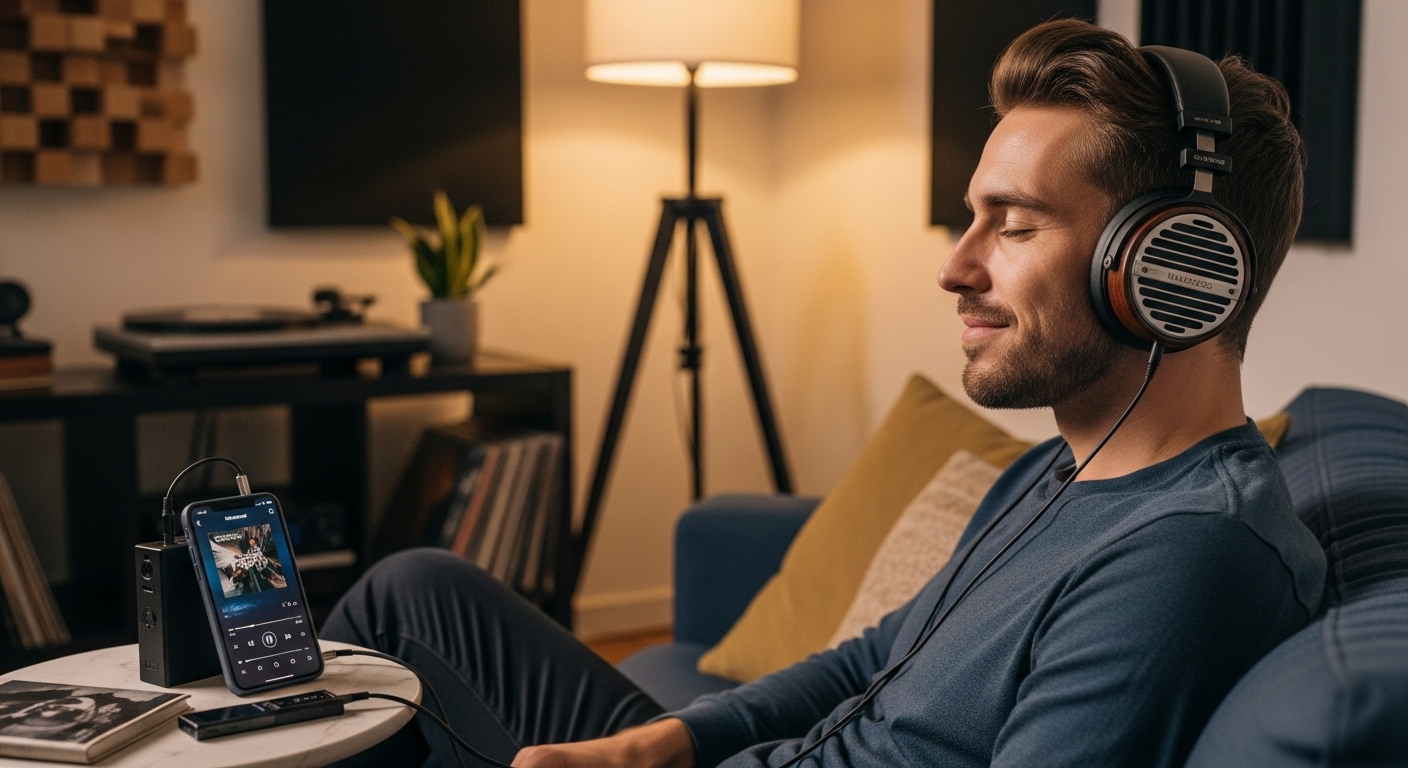
You don’t need new headphones to get better sound. In most cases, small EQ tweaks and fit adjustments can dramatically improve clarity, bass control, and comfort—often more than upgrading gear.
This guide shows you what actually works, without technical overload.
Why headphones often sound “off” by default
Out of the box, many headphones are tuned to:
- Sound exciting in short demos
- Emphasize bass or treble for impact
- Work “okay” for everyone, not great for you
Real listening happens over hours, and that’s where problems show up:
- Boomy or muddy bass
- Harsh highs that cause fatigue
- Vocals sounding distant
- Flat, lifeless sound
The fixes below target exactly those issues.
Part 1: EQ basics (only what you need)
What EQ actually does
EQ (equalization) adjusts volume at different frequencies:
- Bass → weight, punch, rumble
- Mids → vocals, instruments, dialogue clarity
- Treble → detail, air, sharpness
You don’t need perfect curves—just small, intentional changes.
The golden EQ rules (don’t skip these)
- Small changes only (±2–4 dB max)
- Cut before boosting when possible
- Fix problems, don’t chase perfection
- If it sounds good at low volume, it’s probably right
Part 2: Simple EQ presets that actually work
These are safe starting presets you can apply in most EQ apps (phone, PC, or headphone app).
1) Clean & balanced (best for most people)
Use this if your headphones sound muddy or dull.
- Bass (60–120 Hz): -2 dB
- Low mids (200–400 Hz): -2 dB
- Upper mids (2–4 kHz): +2 dB
- Treble (8–10 kHz): +1–2 dB
Result: clearer vocals, less boom, more detail.
2) Bass control (for boomy headphones)
Use this if bass overwhelms everything.
- Sub-bass (30–60 Hz): -1 dB
- Bass (80–150 Hz): -3 to -4 dB
- Upper mids (2–4 kHz): +1–2 dB
Result: tighter bass, clearer mids, less fatigue.
3) Vocal & podcast clarity
Great for calls, podcasts, YouTube, and dialogue-heavy content.
- Bass (80–150 Hz): -2 dB
- Low mids (250–500 Hz): -2 dB
- Presence (3–5 kHz): +3 dB
- Treble (8 kHz): +1 dB
Result: voices come forward, less muffled sound.
4) Relaxed listening (less fatigue)
If highs feel sharp or tiring.
- Treble (6–10 kHz): -2 to -3 dB
- Upper mids (3–5 kHz): -1 dB
- Bass (80–120 Hz): +1 dB
Result: smoother sound for long sessions.
Part 3: The fastest improvement most people miss — FIT
EQ helps, but fit can change sound more than EQ, especially for earbuds.
In-ear earbuds: fit fixes that matter
- Try all ear tip sizes (don’t assume “medium” is right)
- A good seal = more bass + better clarity
- If bass disappears when you move → seal is bad
- Foam tips often improve sound and comfort for many people
Quick test:
If music sounds thin → bad seal.
If bass suddenly appears when you press the earbud in → wrong tip size.
Over-ear headphones: seal & position
- Make sure earcups fully surround your ears
- Glasses can break the seal → adjust cup angle
- Headband too tight = harsh sound + discomfort
- Too loose = weak bass
Small adjustments change how drivers interact with your ears.
Part 4: Volume matters more than you think
Many headphones sound worse when played too loud.
Why
- Bass overwhelms mids
- Treble becomes sharp
- Ear fatigue increases fast
Rule of thumb:
If it sounds good quiet, it’ll sound good loud.
If it only sounds good loud, tuning is off.
Part 5: Source and mode checks (easy wins)
Before blaming the headphones, check:
- Turn off weird “enhancements” or sound effects
- Use stereo mode first (especially for music)
- Disable heavy surround/3D modes unless gaming
- Make sure EQ isn’t stacked (system EQ + app EQ)
One clean EQ beats three conflicting ones.
Common mistakes to avoid
- Boosting bass + treble at the same time (V-shape overload)
- Large EQ boosts (+6 dB or more)
- Copying someone else’s EQ exactly
- Ignoring fit and comfort issues
- Judging sound after 10 seconds instead of 10 minutes
The optimal approach (simple & effective)
If you want a safe method that works:
- Fix fit first
- Lower bass slightly
- Boost upper mids gently
- Keep treble modest
- Test at low volume
This improves clarity, balance, and comfort for most headphones.
Final takeaway
Better sound doesn’t require new gear—just better setup.
- EQ lightly and intentionally
- Get the fit right
- Avoid fatigue-focused tuning
- Judge sound over time, not instantly