For years, “serious gamers use wired mice” was treated like a rule. Today, wireless gaming mice are everywhere—even in esports. So what actually matters now: latency, reliability, battery tradeoffs, and real-world use cases?
This article breaks down the myths vs reality, the true pros and cons of each type, and when wired still makes more sense—even in 2026.
The big myth: “Wireless gaming mice are slower”
Let’s clear this up first.
Latency: what’s real today
Modern wireless gaming mice (using proprietary 2.4GHz tech) have:
- Latency comparable to wired
- In many cases, within 1 ms, which is below human reaction thresholds
- Consistent polling rates that match wired mice
👉 In real gameplay, for most players—including competitive FPS—you will not feel a latency difference between a good wireless mouse and a wired one.
So the myth is outdated.
But latency is not the whole story.
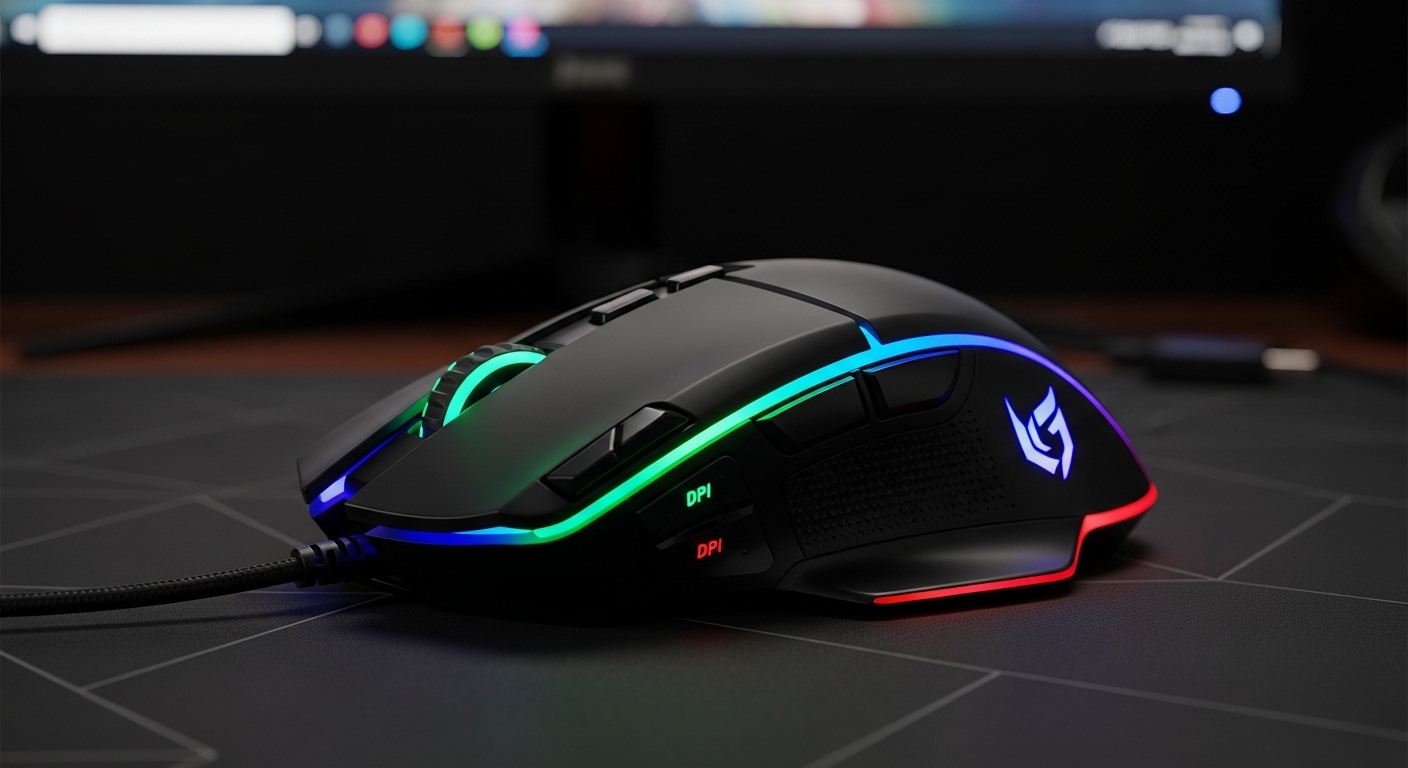
Wired gaming mouse: strengths and weaknesses
Pros of wired mice
- Zero battery management
No charging, no battery anxiety, no performance drop over time. - Absolute consistency
No interference, no signal drops, no sleep states. - Usually lighter for the price
No battery = less internal weight. - Lower cost at the same performance level
You often get better sensor + build per dollar.
Cons of wired mice
- Cable drag (if unmanaged)
Poor cable routing can ruin glide and flick consistency. - Desk friction
Especially noticeable on low-sensitivity setups. - Less clean setups
More cables = more clutter.
When wired still clearly wins
Wired is still the better choice if you:
- Play low DPI / low sensitivity FPS
- Are extremely sensitive to micro-inconsistencies
- Hate managing batteries
- Want maximum performance per dollar
- Use a fixed desktop setup (never move your mouse between devices)
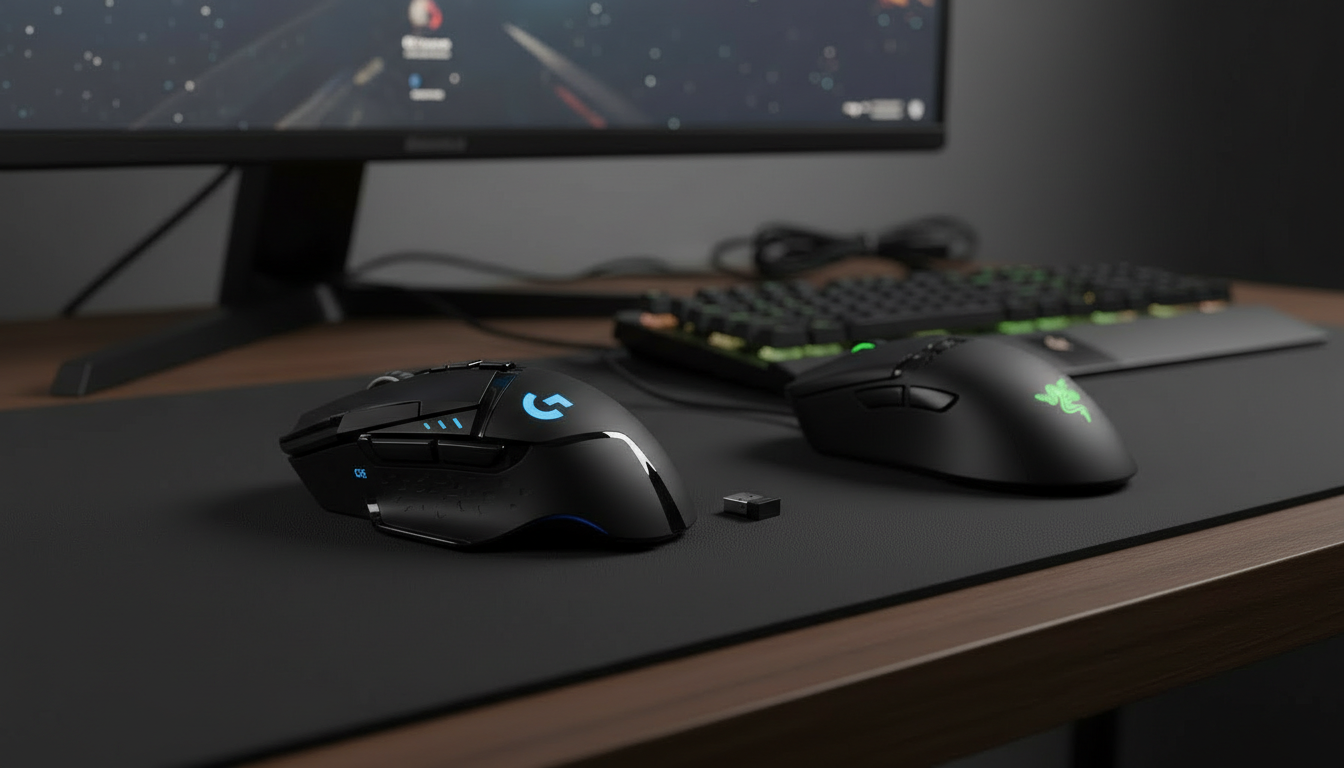
Wireless gaming mouse: strengths and weaknesses
Pros of wireless mice
- No cable drag at all
This alone improves aim smoothness for many players. - Cleaner desk setup
Especially good for small desks or minimalist setups. - More freedom of movement
Helpful for hybrid gaming + work setups. - Top-tier performance is now real
Sensors and latency are no longer the weak point.
Cons of wireless mice
- Battery management
You will need to charge eventually. - Potential performance anxiety
Low battery mid-session is stressful. - Higher cost at the same performance tier
- Heavier designs (in many models, due to batteries)
The battery tradeoff (the real downside)
Wireless gaming mice fall into two camps:
- Long battery life, heavier feel
- Lightweight, frequent charging
Neither is wrong—but it’s a tradeoff wired mice don’t have.
Latency reality check (practical view)
Here’s how latency actually compares in practice:
| Situation | Wired | Modern Wireless |
|---|---|---|
| Reaction time difference | None you can feel | None you can feel |
| Competitive FPS | Excellent | Excellent |
| Signal stability | Perfect | Excellent (with good tech) |
| Tournament play | Always allowed | Usually allowed |
| Consistency over time | Absolute | Depends on battery |
👉 For 95% of players, latency should not be the deciding factor anymore.
Glide, aim, and fatigue (the part people feel)
Where differences do show up:
Cable vs no cable
- Wired mice can feel “heavier” in motion if the cable drags
- Wireless mice often feel smoother, especially for:
- Flick shots
- Micro-adjustments
- Long sessions with low sensitivity
A good mouse bungee can close this gap—but wireless still feels freer.
Reliability & failure points
Wired
- Cable wear over years
- Rare internal failures
- Still works as long as it’s plugged in
Wireless
- Battery degradation over time
- Charging ports wear
- Rare wireless interference (crowded RF environments)
Neither is fragile—but wired has fewer things that can fail.
Which should you choose?
Choose a wired gaming mouse if you:
- Play competitively and want absolute consistency
- Use low sensitivity
- Hate charging anything
- Want the best value
- Prefer “plug in and forget”
Choose a wireless gaming mouse if you:
- Want maximum freedom of movement
- Play on medium–high sensitivity
- Switch between gaming and work
- Care about a clean desk
- Are okay charging once in a while
When wired still wins (no debate)
Wired is still the better choice if:
- You play tactical FPS at low DPI
- You’re extremely sensitive to aim feel
- You don’t want any performance variables
- You play marathon sessions and forget to charge devices
In these cases, wired is still king—not because wireless is “bad,” but because wired is simpler and absolute.
The optimal takeaway
- Latency is no longer the deciding factor
- Consistency vs convenience is the real choice
👉 Most modern gamers can safely choose wireless without performance loss.
👉 Hardcore consistency-focused players still benefit from wired.